








 Home
Home About Us
 In The Garden
 In The Kitchen
 DIYHomeAbout UsIn The GardenIn The KitchenDIY
 Fragrant herbs perfect for sachets, potpourris and crafts.
Examples: Lavender and Pineapple Sage
Famous mints ready to dress up any beverage.
Examples: Kentucky Colonel and Mojito Mint
Popular and common herbs for cooking. Can be used fresh or dried.
Examples: Basil, Dill, Sage, Rosemary
Herbs suitably chosen teas to help you relax and unwind.
Examples: Chamomile, Lemon Balm, Stevia
Fresh
Harvest leaves or flowers as needed
Dried
Tie into bunches. Hang upside down in a warm, dry area.
Frozen
Use an airtight seal bag, it’s quick and simple.
Blend with oil to create a paste and freeze.
Chop herbs and add to ice cube tray with water and freeze.
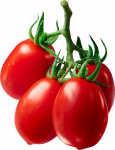
Provides one large crop of fruit.
Performs well in containers.
Requires minimal staking for support.
Older varieties whose seeds passed through generations.
Cross between two different varieties offering the best qualities form each.
The most unique shapes, the fiercest chilis and the juiciest tomatoes are all part of our delicious set of exclusive varieties. Their characteristic color, size, heat, shape and taste, are always a hit.
Annuals only last one season long. When it frosts or freezes, they die away. Most annuals bloom all season long. Use annuals in your flower beds, in containers, along borders, in window boxes and hanging baskets. Some of the most popular sun loving annuals are petunias, geraniums and marigolds. My favorite shade loving annuals are impatiens, begonias and fuchsia. There are a few tough annuals like pansies and snapdragons that can handle a light frost.
Perennials return year after year in the form of foliage plants and flowers plants. The top portion of the plant may die off during the winter but in the spring new plants a grow from the root system. Most perennials bloom about six weeks often different times throughout the summer so watch pay attention to the tags to mix up bloom times throughout your garden. You can plant perennials until about six weeks before the ground freezes which is usually around mid-November for most of the country.